Understanding the Open Standards That Power the MOSA Initiative

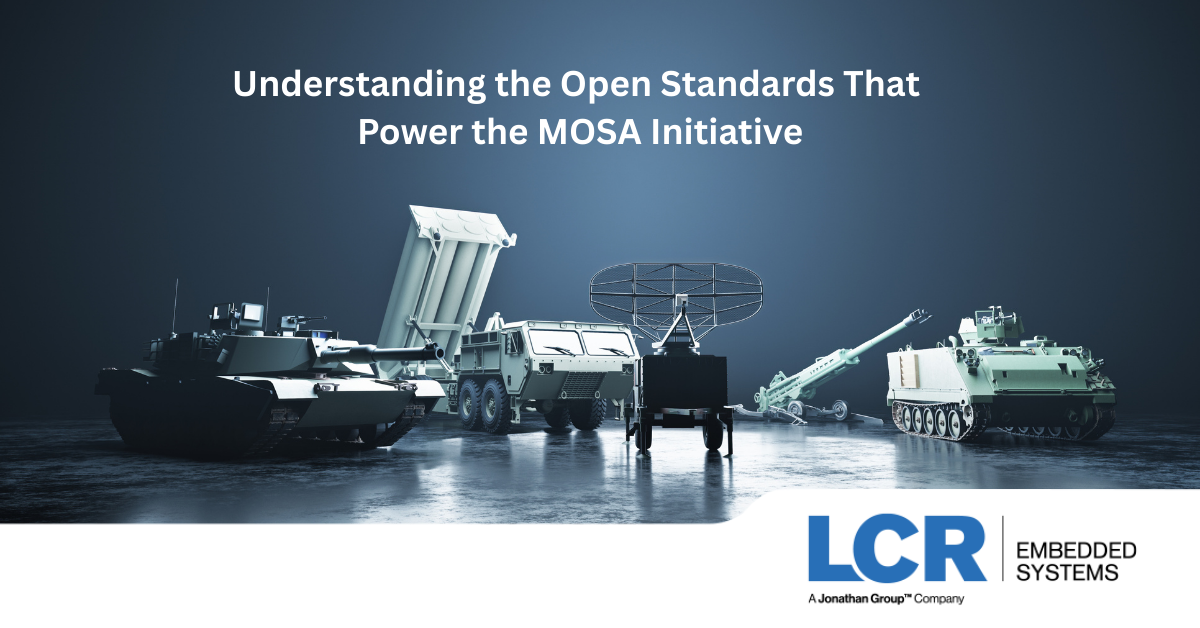
In modern defense systems, where rapid innovation, seamless interoperability, and long-term sustainability are mission-critical, understanding the open standards driving the Modular Open Systems Approach (MOSA) is essential.
These standards—spanning architectures like SOSA, VPX/OpenVPX, CMOSS, and SAVE, as well as foundational MIL-STD specifications—provide the common language and structural framework that allow complex systems to work together reliably and efficiently. By defining everything from mechanical design and thermal performance to connectivity profiles, interoperability rules, and environmental resilience, they ensure that system components can be mixed, matched, upgraded, and reused without costly redesigns or vendor lock-in.
As defense platforms continue to evolve and data demands accelerate across C5ISR, electronic warfare, and sensor-driven missions, a clear grasp of how each standard contributes to MOSA is vital for engineers, integrators, and program leaders striving to build adaptable, future-ready capabilities.
How Open Standards Work Towards the MOSA Initiative
Individual standards contribute to MOSA by providing defined, consensus-based guidelines that enable different systems and components to be interchangeable, interoperable, scalable and reusable.
Frameworks like SOSA, VPX/OpenVPX, MIL-STD compliance and others collectively ensure consistent architectures that support rapid integration, thermal efficiency, and reliable operation as well as streamlined lifecycle management in harsh military environments.
SOSA: As a high level architectural and business framework, Sensor Open Systems Architecture (SOSA) provides a set of guidelines designed to align with MOSA principles, promoting compatibility and efficiency in sensor design. It incorporates existing standards, like VPX & OpenVPX (see below), to enforce stricter interoperability and modularity specifically for defense sensor systems, like radar, EW, SIGINT, EO/IR, etc. This enables flexibility, interchangeability, and faster innovation by allowing integrators to mix components, streamline upgrades, and leverage COTS technologies for rapid development.
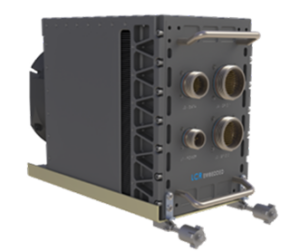
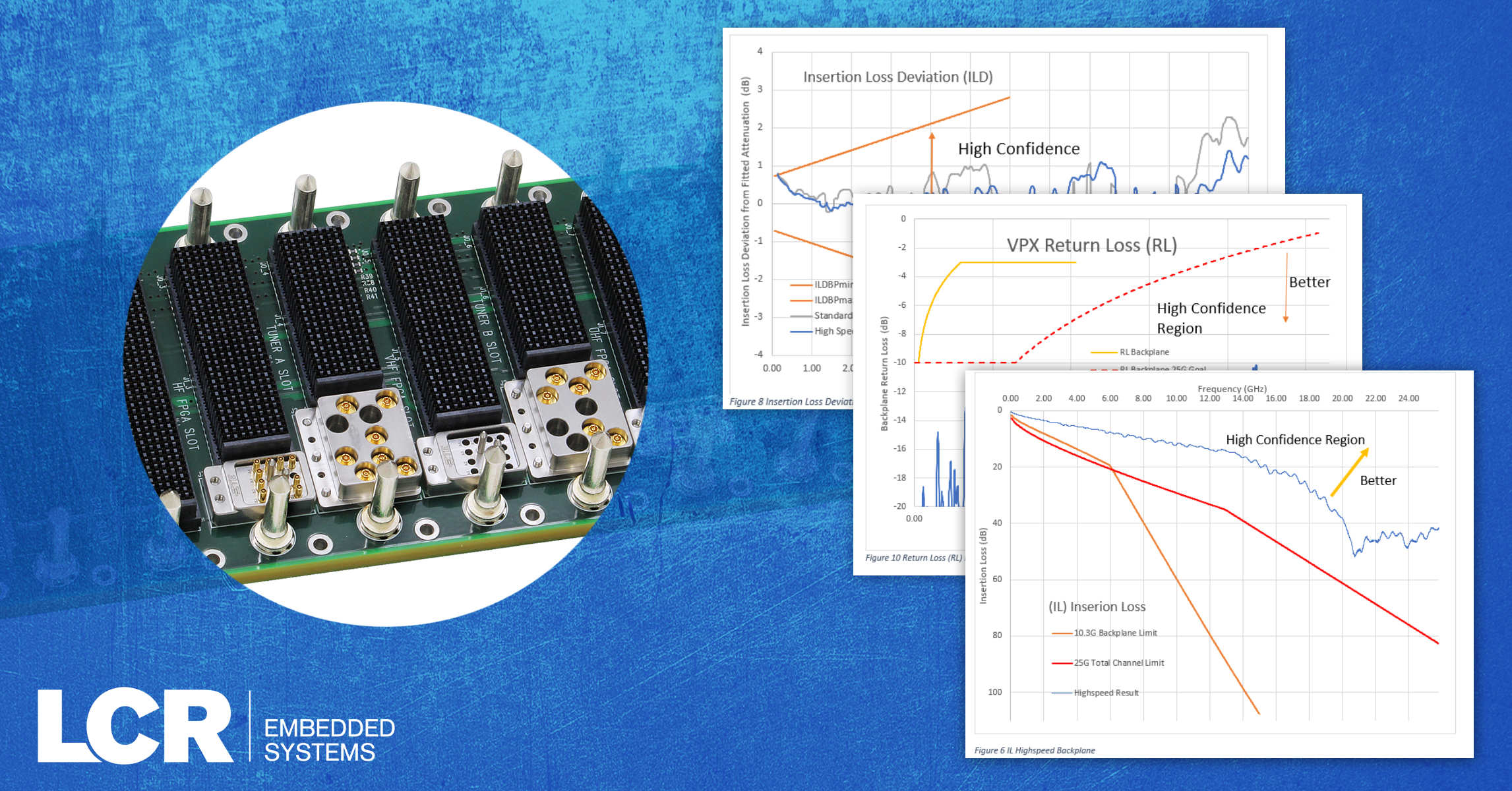
VITA 46 (VPX): Also known as VPX, this modern standard for rugged, high-performance embedded computing systems was developed as a faster and more durable alternative to legacy VMEbus standards. It supports high-speed data protocols and provides the mechanical, electrical, and signaling framework for interoperability within an embedded system. With defined interoperability points, VPX ensures seamless integration of modules, connectors, backplanes, etc. from multiple vendors, reducing complexity and costs. Its emphasis on modularity and ruggedization make it especially valuable for military and aerospace applications.
VITA 65 (OpenVPX): Created to provide a system level framework when implementing VITA 46, OpenVPX builds on VPX by outlining how modules, backplanes, chassis, and signal profiles should interoperate within a system through defined profiles, slot definitions, and architecture rules. OpenVPX offers the flexibility to quickly adapt embedded systems to changing defense industry requirements and meet the growing demands in C5ISR, SIGINT, electronic warfare, and other mission-critical applications.
While not all VPX or OpenVPX systems are SOSA compliant, SOSA builds on both to best deliver interoperability, interchangeability, and long-term viability, making SOSA conformance essential for suppliers targeting modern defense applications.
VITA 48: This standard provides guidelines and specifications for conduction-cooled modules and chassis used in VPX systems. VITA 48 defines the module’s mechanical characteristics and thermal considerations for effective heat dissipation through the chassis’ edges. As the trend towards higher power in VPX modules continues, emerging chassis designs must include options that address the need for mixed VITA 48.2. (conduction cooling), 48.4 (liquid cooling) and 48.8 (air flow cooling) standard module payloads. From a cost and performance standpoint, this approach offers the advantage of solving thermal issues in an effective manner, as it enables fast uptake of new modules for high speed applications.
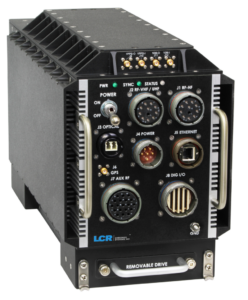
Air Transport Rack (ATR): Initially developed for avionics, ATR systems comply with specific military standards such as MIL-STD-461 (EMI shielding) and MIL-STD-810 (harsh environment conditions), making them suitable for rugged environments and mission-critical applications. They are engineered to withstand extreme temperatures, vibrations, and EMI/RFI interference, ensuring reliable performance in harsh conditions and often house electronic modules in VPX/OpenVPX and SOSA aligned systems.
C5ISR Modular Open Suite of Standards (CMOSS): This US Army initiative is a suite of standards based on VPX/OpenVPX and SOSA that addresses critical demands related to SWaP-C, while enhancing flexibility and adaptability across defense platforms. CMOSS moves away from traditional stove-piped systems that require separate, proprietary hardware. Instead, it leverages a modular, standards-based approach that allows multiple vendors to develop interoperable solutions. C5ISR stands for Command, Control, Communications, Computers, Cyber, Intelligence, Surveillance, and Reconnaissance.
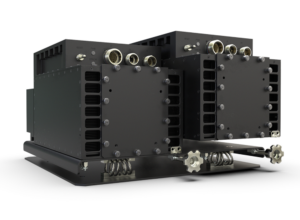
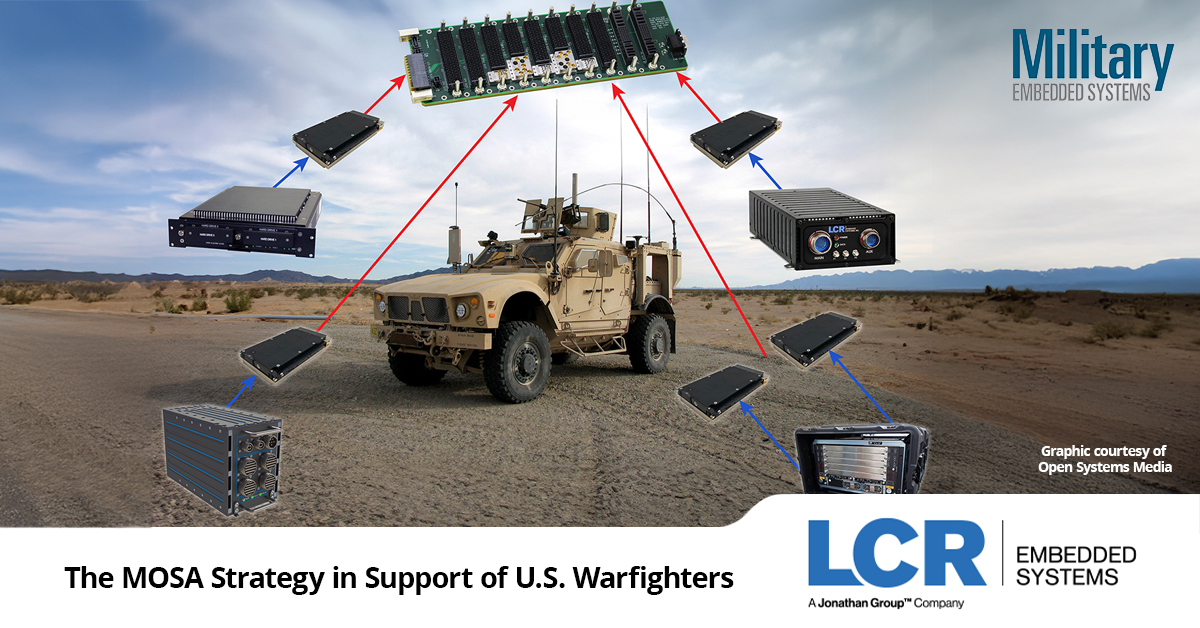
Standard A Kit Enclosure (SAVE): Also US Army driven, SAVE defines the size, weight, power, environmental requirements, connector requirements and electrical interfaces to install CMOSS-compliant chassis in ground combat vehicles. The common enclosure and mounting framework SAVE defines ensures long-term stability for functional upgrades for ground vehicle systems. Providing a standardized integration space for system developers allows for easier and more efficient incorporation of new features.
The Use of MIL-STD Specs in Open System Development
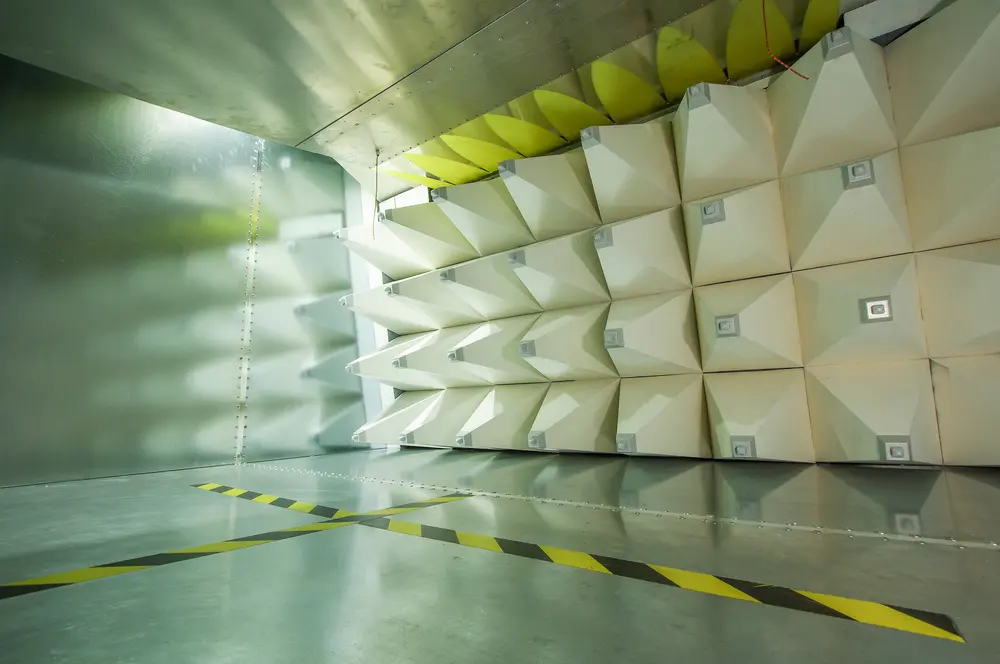
- MIL-STD-461: MIL-STD-461 establishes stringent EMC standards to control electromagnetic interference (EMI) and electromagnetic susceptibility (EMS) in defense electronics. Compliance ensures that electronic components operate reliably without interference from, or causing interference to, other systems in environments where radio frequency (RF) emissions and susceptibility are prevalent. For defense systems employing VPX and SOSA-aligned architectures, MIL-STD-461 compliance is crucial, as these systems are often deployed in electromagnetically challenging environments such as combat vehicles, ships, and aircraft.
- MIL-STD-810: MIL-STD-810 plays a critical role in the ruggedization of electronics packaging for VPX and SOSA-aligned systems, ensuring that these high-performance, modular architectures can withstand the extreme environmental conditions faced in defense applications. Through rigorous testing for temperature extremes, vibration, shock, ingress protection, and more, MIL-STD-810 ensures the reliability and durability of defense systems housed in rugged ATR enclosures and VPX chassis, making them ideal for critical applications like electronic warfare, signal intelligence, and electronic support.
- MIL-STD-1275: By setting the standard for power integrity, EMI immunity, and environmental resilience, MIL-STD-1275 ensures that these systems can perform reliably in the demanding power environments of military platforms. This standard is essential for ensuring the operational readiness of mission-critical systems used in electronic warfare, signal intelligence, and other defense applications.
Popular Resources