For years, defense technology was largely defined by closed, proprietary systems, vendor dependence, and isolated development processes. Although this model provided some benefits in earlier times, the growing complexity of contemporary warfare and the accelerating speed of technological progress has driven the need for a fundamental shift in a systems-based approach.
Interoperability has emerged as a crucial factor in ensuring effective and seamless coordination among various mission critical systems and defense agencies. The adoption of open standards in embedded systems has become a pivotal force in shaping the future of the military landscape.
Why the Shift Toward Open Standards
The U.S. Department of Defense (DoD) and allied defense forces are confronted with fast-evolving threats across the globe. As adversaries rapidly enhance their capabilities, staying ahead requires the integration of cutting-edge technologies to preserve a decisive advantage in warfare.
Traditionally, defense systems had been built by original equipment manufacturers (OEMs) using proprietary hardware, software, and systems. Because of this closed design, OEM involvement was often necessary for updates or the addition of new capabilities, both of which restricted competition and drove up costs. Proprietary systems are typically expensive and offer fewer options for upgrades or modifications.
As threats change and mission requirements evolve, upgrades without replacing entire systems are essential, as well. Modularity enables scalability and flexibility by allowing changes at the subsystem level, without needing a full redesign. Standardized modular interfaces not only shorten development and deployment cycles, but also ensure compatibility with legacy platforms. And as the defense industry requires systems that can seamlessly integrate with both current and future infrastructures, a modular architecture can also support future initiatives.
Department of Defense Mandates MOSA
By adopting a Modular Open Systems Approach (MOSA), the DoD aims to foster greater competition, reduce the expense of future upgrades, speed up the delivery of new capabilities, and enhance interoperability across defense and aerospace platforms. Open standards play a critical role in supporting this mandate from the DoD.
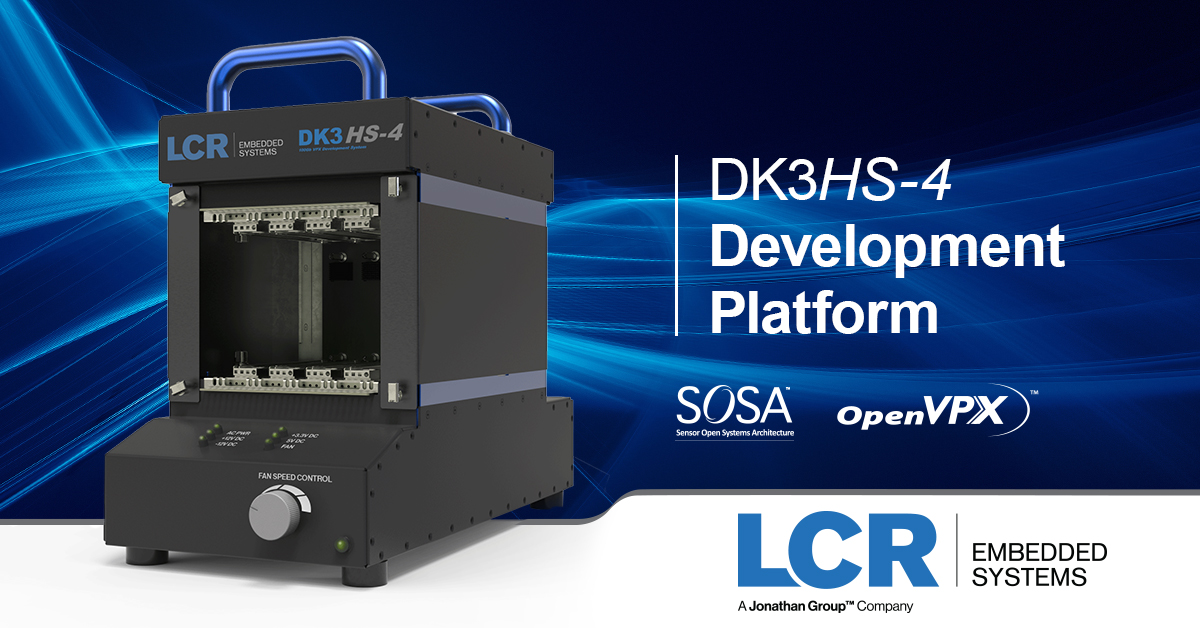
Building on MOSA principles, the Sensor Open Systems Architecture (SOSA) serves as a high-level architectural framework that applies MOSA concepts specifically to sensors in military and commercial systems, aiming to enhance interoperable sensor systems. SOSA integrates existing open standards, most notably VITA 46 (VPX) and VITA 65 (OpenVPX), to promote cross-platform compatibility, modularity, and faster system upgrades.
VPX establishes the physical and electrical framework for rugged, high-performance embedded computing systems, while OpenVPX defines how these VPX modules and backplanes interconnect at the system level to ensure plug-and-play interoperability. Together, they allow defense integrators to combine components from multiple vendors, streamline development, and leverage COTS technologies for applications such as radar, EW, SIGINT, and EO/IR systems.
To ensure these open architectures meet the stringent demands of defense environments, MIL-STD standards define the environmental, electromagnetic, and power requirements essential for reliable operation. MIL-STD-461 governs electromagnetic compatibility to minimize EMI and ensure stable performance among co-located systems. MIL-STD-810 certifies ruggedness through testing against temperature, vibration, and shock ensuring durability in harsh environments. MIL-STD-1275 maintains power quality and EMI immunity, securing system reliability in demanding vehicle and airborne platforms. Together, these standards reinforce the robustness and interoperability of MOSA and SOSA-aligned systems, enabling open, scalable architectures that meet modern mission requirements with confidence and efficiency.
Key Benefits of Open Standards in Defense
MOSA offers valuable benefits for defense and aerospace organizations including:
- Interoperability Across Multiple Platforms: MOSA facilitates seamless interoperability across various systems and platforms. Through the use of open standards and clearly defined interfaces, subsystems can communicate and share data efficiently. This capability supports the integration of diverse technologies—ranging from sensors and communication equipment to weapon systems—into a unified and effective operational framework. By encouraging a plug-and-play model, MOSA streamlines system integration, shortens the time and effort needed to connect different components, and ultimately enhances mission effectiveness and operational flexibility.
- Modularity: MOSA makes it possible to add or replace subsystems and components without overhauling the entire system architecture. This adaptability supports smooth technological upgrades and ensures systems can keep pace with evolving mission requirements. As innovations arise, they can be incorporated seamlessly into existing platforms, boosting performance and expanding capabilities. Additionally, by leveraging open standards, defense organizations gain access to a wider market of commercial off-the-shelf (COTS) solutions, helping lower costs and minimize dependence on single vendors.
- Lifecycle Cost Reduction: One of MOSA’s greatest advantages is its cost-saving potential. Traditional defense systems demand heavy investment in development, acquisition, and maintenance, and their proprietary nature often makes updates expensive while tying users to the original manufacturers. MOSA reduces these expenses by encouraging competition among multiple suppliers, driving innovation, and eliminating the need for full system replacements. It also improves lifecycle management by supporting gradual upgrades, which extend the service life of defense systems and ensure their long-term sustainability.
The Future of Open Standards
As defense operations continue to evolve, the adoption of open standards and modular architectures position the military to respond with unprecedented agility and precision. By leveraging MOSA-aligned frameworks such as SOSA, VPX/OpenVPX, and associated MIL-STD specifications, defense systems can achieve seamless interoperability, rapid technology integration, and optimized lifecycle performance.
The DoD is moving towards a future focusing on AI-driven computing at the tactical edge. Packaging design and integration of VPX and SOSA aligned systems for AI must consider extreme conditions of shock, vibration and temperature and ensure the highest levels of signal integrity in the system backplane and custom I/O panel design.
LCR is ready to help bridge the gap between the adherence to open standards and the push for systems capable of utilizing AI and edge computing with our fully integrated solutions.