How Modular Chassis Design Facilitates Open Standards-based Computing
How Modular Chassis Design Facilitates Open Standards-based Computing
4 MIN READ
SHARE:
Open standards have long been a mainstay in military electronics. Taking it one step further in 2019, the DoD’s Modular Open Systems Architecture (MOSA) mandate was deployed to not just improve interoperability of electronics, but also interoperability across systems, platforms and networks.
In remarks made by then Secretary of Defense James N. Mattis on the National Defense Strategy on January 19, 2018, he indicated that “To keep pace with our times, the [Department of Defense] will transition to a culture of performance and affordability that operates at the speed of relevance…We will prioritize speed of delivery, continuous adaptation, and frequent modular upgrades.”
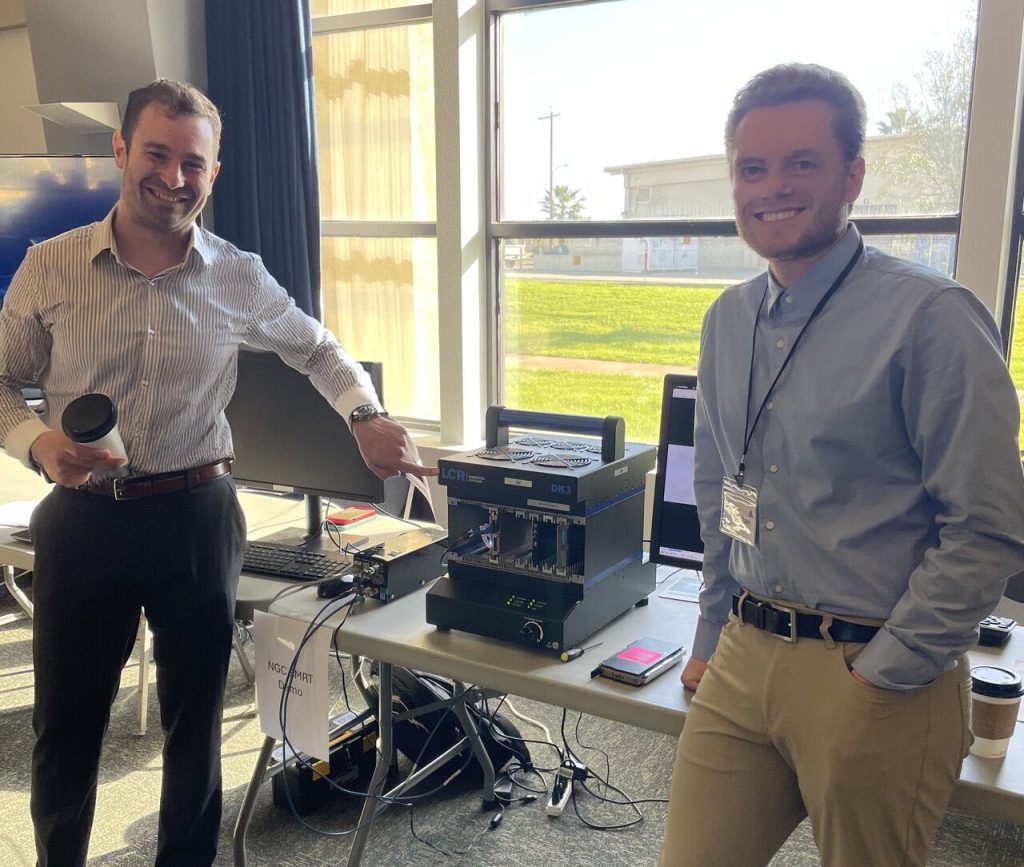
Much work has been done in the past few years to develop a robust interoperability ecosystem, including Technical Interchange Meetings (TIMs) held several times a year, multi-partner demonstrations at key industry conferences and behind-the-scenes efforts by industry professionals to evaluate and solidify a common architecture that would meet MOSA objectives. (Figure 1)
Figure 1. LCR was on hand at the February 2025 SOSA Plugfest, Beale AFB, to conduct chassis manager integration work and interoperability testing with several industry partners.
Modularity Across the DoD
As stated in Mattis’ comments, a critical component to the development and deployment of these integrated, open standards-based systems is the ability to rapidly upgrade technologies through a modular architecture. The overall benefits of open architectures are numerous and have helped to improve modularity among these highly interoperable electronics and systems.
The importance of time-to-market does not stop with electronics, though. Modularity as a methodology has not only accelerated the system development aspect of rugged embedded computing, but has also served as a catalyst for the packaging of these critical systems, which can follow a similar approach.
The chassis and housings themselves need to keep pace with the expediency of system development and meet the cost economies in developing deployable systems. If the electronics can deploy in shorter timeframes, the packaging must be equally as nimble and ready to meet the cadence of moving systems into action.
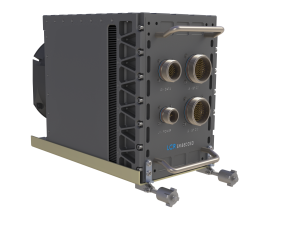
Figure 2. A modular design approach allow cost-effective, rapid chassis deployment that keeps pace with accelerated open standards-based system development.
Packaging That Keeps Pace with Deployment
Chassis design is a critical cog in the gears to get these robust, interoperable embedded systems deployed. Recognizing this crucial step, LCR Embedded has adopted modular design principles to help customers cost-effectively transition to deployable chassis in a reduced timeframe. This methodology uses field proven designs from LCR’s extensive family of products for VPX and SOSA aligned board payloads to facilitate a smooth and fast transition between each stage of system realization and ensure on-time delivery and reliable performance in critical applications.
In VPX systems, chassis design is mainly driven by the number of VPX modules or plug-in cards (PICs) required for a given application. LCR’s modular chassis design utilizes many of the same core components across systems that need between 5 and 10 plug-in cards. This flexibility takes advantage of common design elements in chassis side walls, including thermal considerations.
Because front panel dimensions are generally consistent, with variations in the type, quantity, and placement of connectors, SOSA-defined connectors and pinouts allow for customizable, modular configurations of the front panel. Rear fan panels can be equipped with fans of varying robustness. This modular approach reduces design time and cuts material and NRE costs. (Figure 2)
Business Benefits of Modular Chassis Design
Cost Efficiency: The cost of custom designs and NRE drop, giving users a more cost-effective long-term strategy for packaging design reuse and expandability.
Standardized Infrastructure: The use of a standard set of components, such as cables, pin and signal locations and connectors, improve economies of scale across hardware elements.
Adaptability: Because it already follows the technology standards, modular chassis design can keep pace with new requirements as those standards evolve.
Mechanical Improvements in Modular Chassis Design
Ease of Maintenance and Repair: Simplified maintenance and troubleshooting reduces downtime and identifies faulty components that are easier to recognize and replace.
Improved Cooling and Thermal Management: The placement of cooling solutions in specific locations optimizes heat dissipation and provides better thermal management capabilities.
Compact and Lightweight: Improved efficiency in needed space and weight requirements is crucial for compact application environments.
Industry Growth from Modular Chassis Design
Reduced Time-to-Market: Utilizing existing footprints expedites the time-to-market of new designs and speeds up the overall product development cycle.
Scalability and Flexibility: Easy addition or removal of modules, based on specific mechanical requirements of the application, simplifies configuration for easier customization.
Upgradability: Enables straightforward upgrades without extensive redesign or replacement of the entire system, so systems stay current with the latest advancements.
Linking OpenVPX and SOSA Chassis Designs
There are some other key aspects to note about modular chassis design in regards to open standards. For example, the Open Group SOSA (Sensors Open Systems Architecture) Technical Standard, which uses the VITA Association’s OpenVPX (VITA 65) standard as its basis, has helped to expedite system development within the MOSA initiative.
Because OpenVPX serves as the basis for SOSA, much of the same construction, materials, cooling methods, sizes and design principles apply to a chassis used for either architecture. In fact, a modular chassis can accommodate a mix of OpenVPX and SOSA aligned modules, a further testament to the critical role modular chassis design plays.
For the most part, chassis designs are agnostic regarding system architecture, as we find in OpenVPX or SOSA. However, as SOSA begins to see wider industry acceptance, the focus moves beyond the system electronics to inter-chassis communications. With front panel I/O, for example, emerging connector standard designs and signal pinouts ensure chassis-to-chassis interoperability.
Improving the Open Standards Ecosystem
Modular construction in open standards-based chassis design offers several benefits that contribute to the efficiency, flexibility, and robustness of the overall system. For example, LCR’s rugged test and deployment platforms are designed for functional configurability, with a mechanical design path that leads to deployable 3U VPX and SOSA aligned systems. This adaptability advantage makes modular chassis well-suited for demanding defense, aerospace, and other rugged applications with varying technological and environmental conditions.